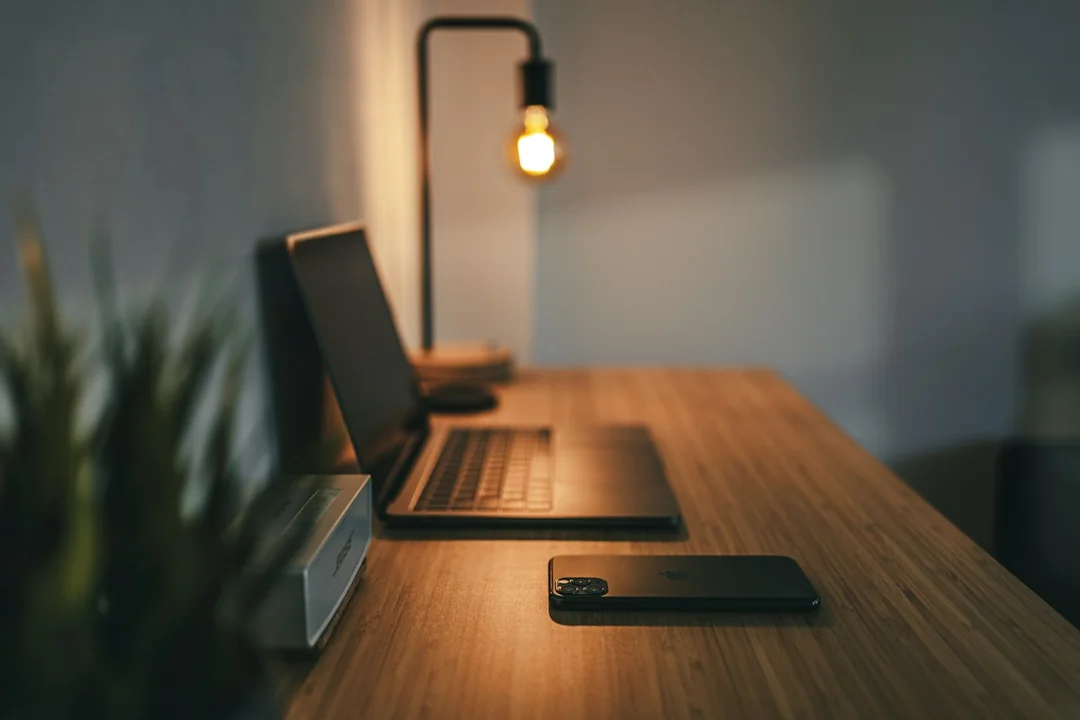
A desk lamp should illuminate the paper task without creating a bright reflection in the display. The useful position depends on the page, screen, user and other room lighting. Place it through a simple viewing test rather than choosing a location only because it balances the desk visually or reaches the nearest socket.
Light the area that is actually used
Put the ordinary document or notebook in its working location and identify the area that needs light. Include the hand's movement and any page turning. A lamp aimed at an empty corner may leave the active line in shadow, while one placed too close can concentrate light unevenly. Adjust within the product's supported range and observe the paper during the task.
Check shadows from the writing hand and nearby equipment. The appropriate side can depend on the user and layout, so compare rather than prescribing one direction for everyone. Avoid positioning the lamp where the user must look directly into a bright exposed source while consulting the screen. A shade or diffuser works only within the design and should not be improvised with unsuitable coverings.
Inspect the screen from the normal working position with representative content visible. Change the lamp angle or location gradually and observe any reflected patch. A light can illuminate paper effectively while obscuring a dark chart or small text on the monitor. Evaluate both surfaces together instead of making the display brighter immediately to compensate for glare.
Fit the lamp into the workstation safely
Check the base or mounting method against the desk and equipment. A clamp needs a suitable edge and secure supported installation; a weighted base needs stable surface space. Keep the lamp's movement clear of monitor arms and other joints. A location that works only when another device is held out of the way is not a reliable everyday arrangement.
Route the power lead away from the hand's working area, chair movement and paper piles. Follow the lamp's instructions about heat, clearances and compatible bulbs or power equipment. Do not drape paper or fabric over a light to soften it unless the product is specifically designed for that use. A visual adjustment should not introduce a heat or electrical hazard.
Compare the setup at relevant times of day. Daylight can make the lamp unnecessary for one task and leave it important later. Adjust room and task lighting together, keeping screen readability and paper contrast in view. A dim room with only a bright display and a small lamp can behave differently from the same desk under normal daytime light.
Retain the position that supports ordinary reading and writing, then review it after changing monitor location, paper layout or lenses. If visual difficulty persists, obtain appropriate individual advice rather than repeatedly increasing lamp brightness. The practical target is clear task information without avoidable reflection or obstruction, with the lighting equipment stable and used as intended.