Choose desk depth from the equipment arrangement rather than empty dimensions
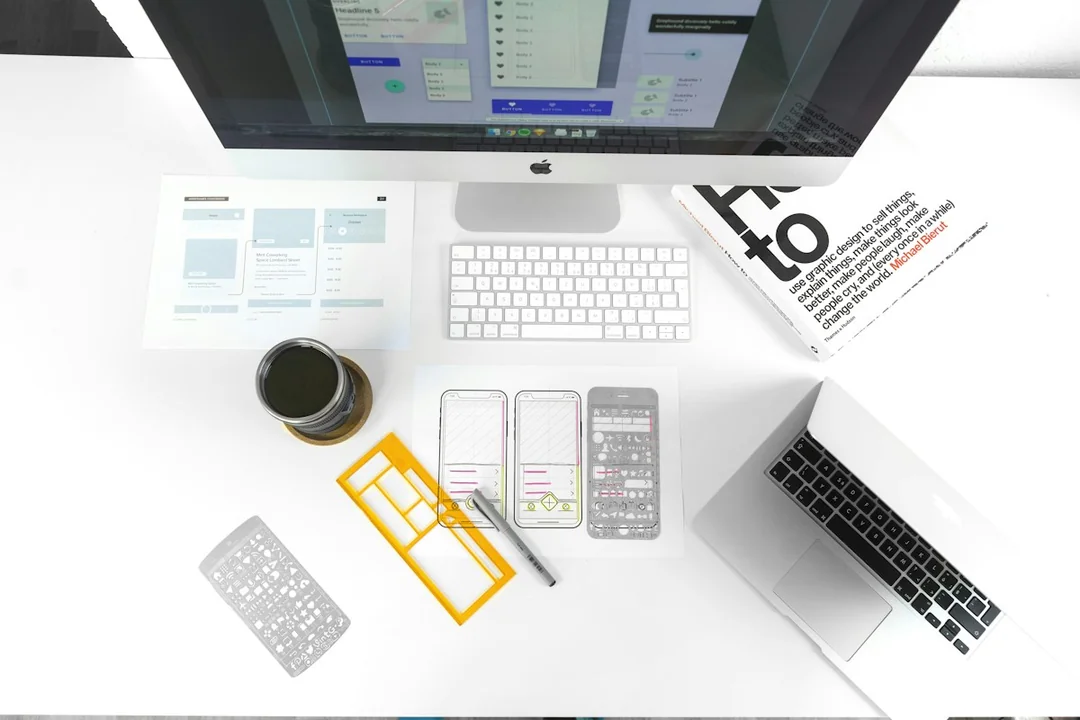
Sketch the monitor base, input devices and references at usable positions before selecting a desk, including the space consumed by cables and rear clearance.
Read guideFit the equipment and its daily movements before choosing furniture by appearance. Plan usable surfaces, chair access, stable mounting, active paperwork and pack-away storage, keeping maintenance and device ventilation practical.
Sketch the monitor base, input devices and references at usable positions before selecting a desk, including the space consumed by cables and rear clearance.
Read guideCompare seat fit, adjustment range, armrest clearance and rolling room before choosing a home-office chair by appearance or a broad size label.
Read guideCheck load, mounting pattern, desk construction and movement clearance before using an arm to reclaim a small home-office surface.
Read guideCreate distinct places for current actions, waiting items and archive, so a home-office desk does not become an undifferentiated pile of work and household papers.
Read guideBalance floor space, shelf stability, retrieval frequency and load limits when adding storage above or beside a home-office desk.
Read guideUse mobile storage for a portable office kit while checking caster stability, cable disconnection and where the cart stays during work and household use.
Read guidePlan pack-away storage around device ventilation, shutdown state, cable strain and security rather than closing every item into a decorative box immediately after use.
Read guideKeep power, network and display connections reachable after cable organization, so a simple fault or equipment change does not require dismantling the whole workspace.
Read guideOrganize a portable home-office kit in the order items are used and returned, instead of selecting containers by appearance before deciding what they hold.
Read guide