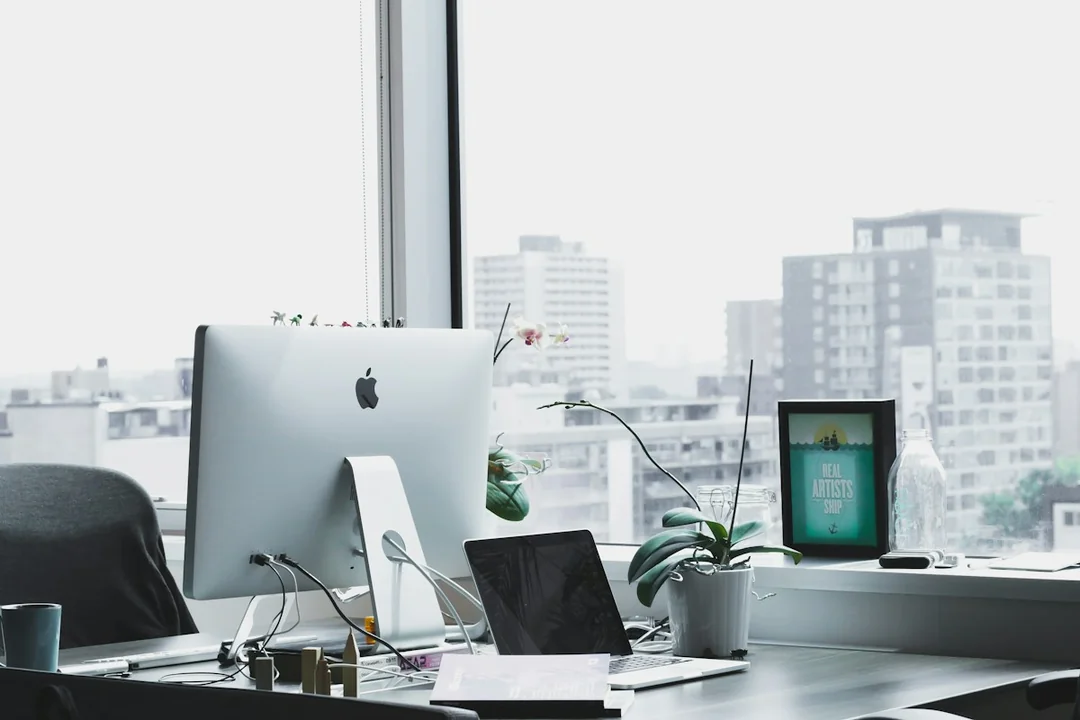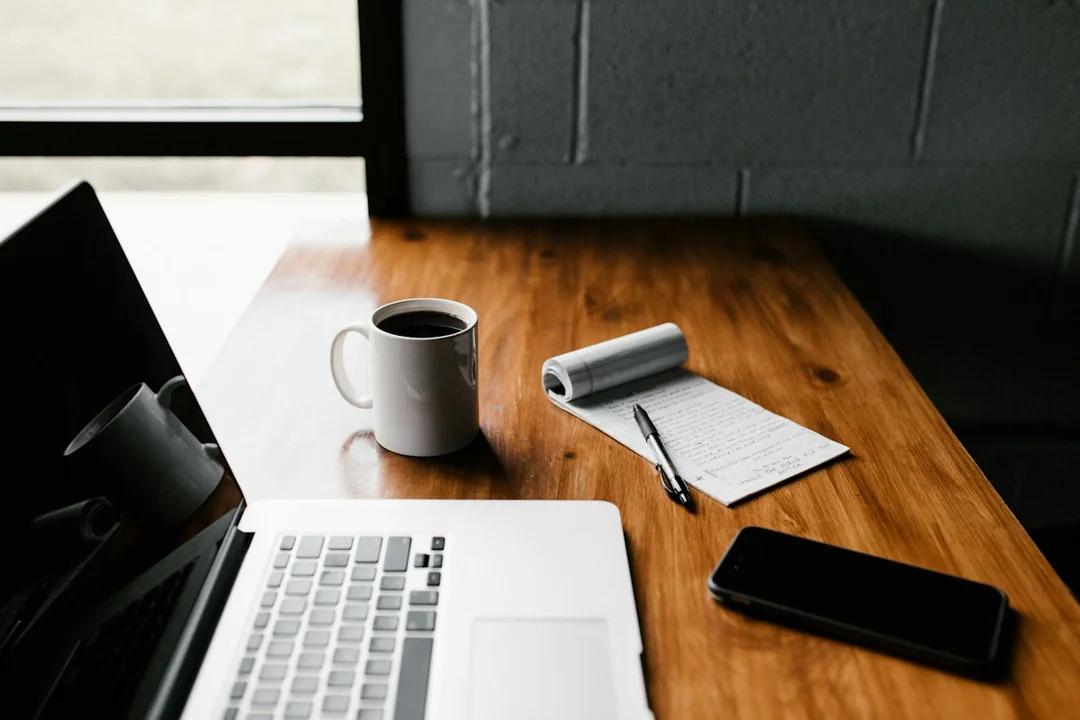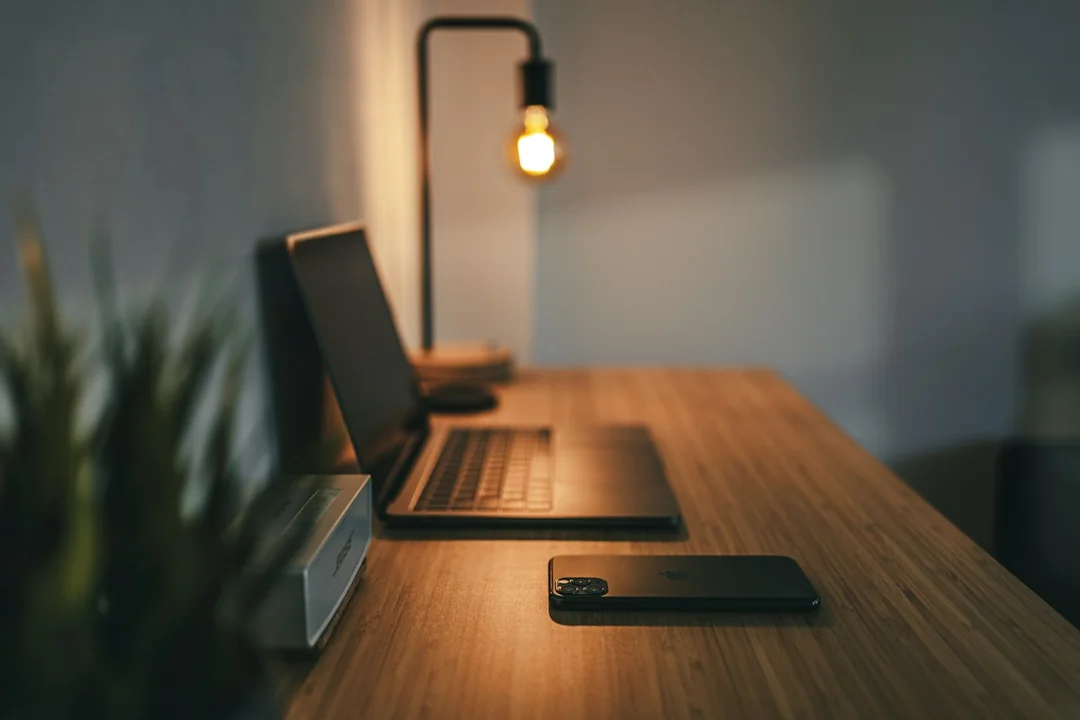
Position a desk lamp for the paper task without reflecting it in the screen
Test lamp direction, hand shadows and monitor reflections together, rather than treating brighter light as the only way to improve a home-office reading area.
Read guideTest what the worker and remote audience actually see and hear. Distinguish reflections, changing daylight, room echo, background noise and privacy, choosing practical adjustments for both the work and the household.
Test lamp direction, hand shadows and monitor reflections together, rather than treating brighter light as the only way to improve a home-office reading area.
Read guideObserve changing daylight before fixing monitor orientation, and use controllable room measures instead of relying on one screen setting for every hour.
Read guideDistinguish microphone pickup, listening isolation and sound escaping into the household when planning calls in a shared home-office area.
Read guideSeparate reverberation from sound transmission, test the microphone result and avoid buying acoustic products for a problem they are not designed to solve.
Read guideMap recurring appliances, traffic and shared-room activity, then combine timing, agreements and suitable call locations instead of relying only on noise suppression.
Read guideCheck speaker level, placement, call echo and shared-room needs, and use headphones where appropriate without assuming they solve every audio requirement.
Read guideAdjust ambient and task lighting for evening work, check reflections and camera needs, and distinguish comfortable viewing from unsupported claims about special lighting products.
Read guideKeep microphone distance, words and application settings consistent when evaluating a home-office audio adjustment, so a perceived improvement has an understandable basis.
Read guide