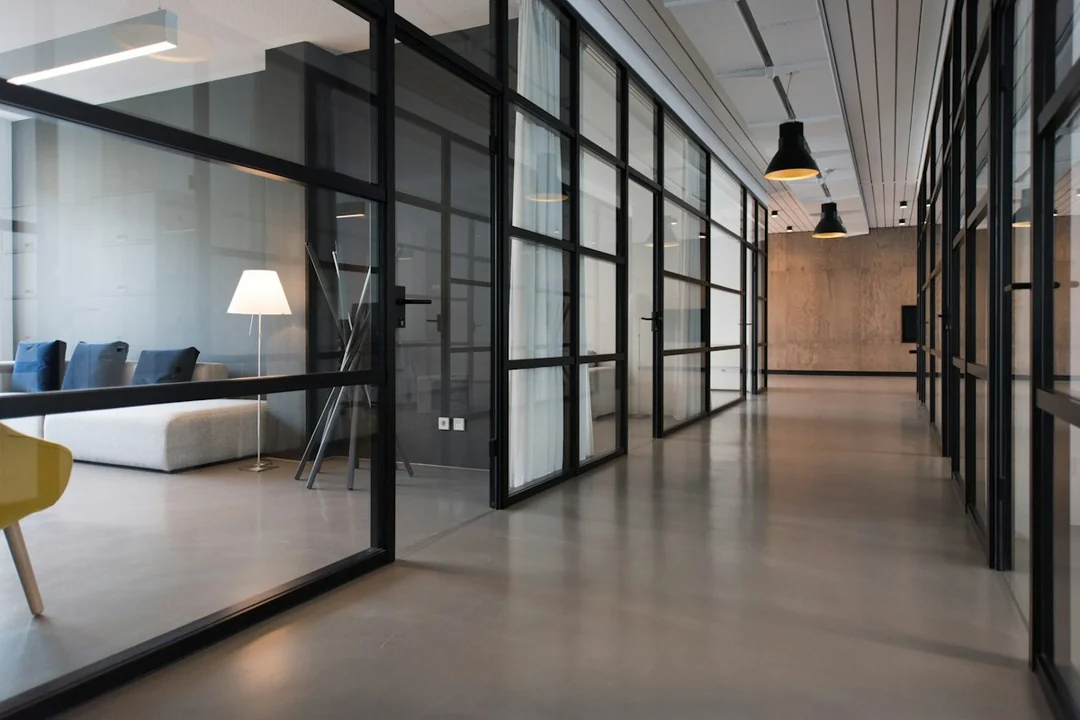
A room can sound echoey even when it is quiet. Speech reflecting from hard surfaces may reach the microphone after the direct voice and make calls less clear. Soft furnishings can reduce some of those reflections, but they do not provide soundproofing or guarantee that conversations cannot be heard outside the home-office area.
Separate room reflections from other noise
Record a brief non-sensitive speech sample using the intended microphone and application settings. Listen for a hollow or reverberant quality, distinct from traffic, fans or another person's speech. Check the selected microphone and its position first. A distant laptop microphone can capture more room sound than a closer suitable device, so the recording route is part of the comparison.
Inspect the room's surfaces. Bare walls, a hard floor and large uncovered windows can contribute reflections, while existing curtains, upholstered furniture or other suitable materials may change the result. Do not assume that adding one small decorative object will transform the whole room. The effect depends on placement, amount and the recording arrangement.
Try a safe modest change with materials that suit the room, such as using existing curtains as intended or moving the microphone and speaker position. Keep ventilation, heat sources and walking routes clear. Do not cover electronics, lighting or electrical equipment with fabric to soften sound. Acoustic convenience does not override the safe use of household and work equipment.
Compare samples without overstating the result
Keep the microphone, speaking distance, phrase and gain as consistent as practical between recordings. Change one room element at a time and listen at a similar playback level. Automatic processing may vary, so note when it is active. A louder recording can seem clearer without having less reverberation, which is why uncontrolled comparisons are easy to misinterpret.
Consider a closer appropriate microphone or headset as another separate test. This can improve the balance between direct speech and room sound for some arrangements, but it does not remove every reflection. Check fit, device selection and the application's processing. Judge the actual sample rather than assuming that a particular microphone category automatically solves an unsuitable room.
Treat sound transmission and privacy as different questions. A room with less audible echo can still transmit speech through a doorway, wall or window. Soft furnishings intended to change reflections are not evidence of acoustic isolation. Sensitive calls may require a different location, approved process or qualified building advice rather than another curtain or software noise filter.
Keep the changes that produce a useful improvement during normal calls and remain practical for the room's other uses. Avoid accumulating materials that obstruct access or create difficult maintenance. A good result is clearer speech under the tested conditions, described honestly, without turning a modest room treatment into an unsupported claim of soundproofing or confidentiality.