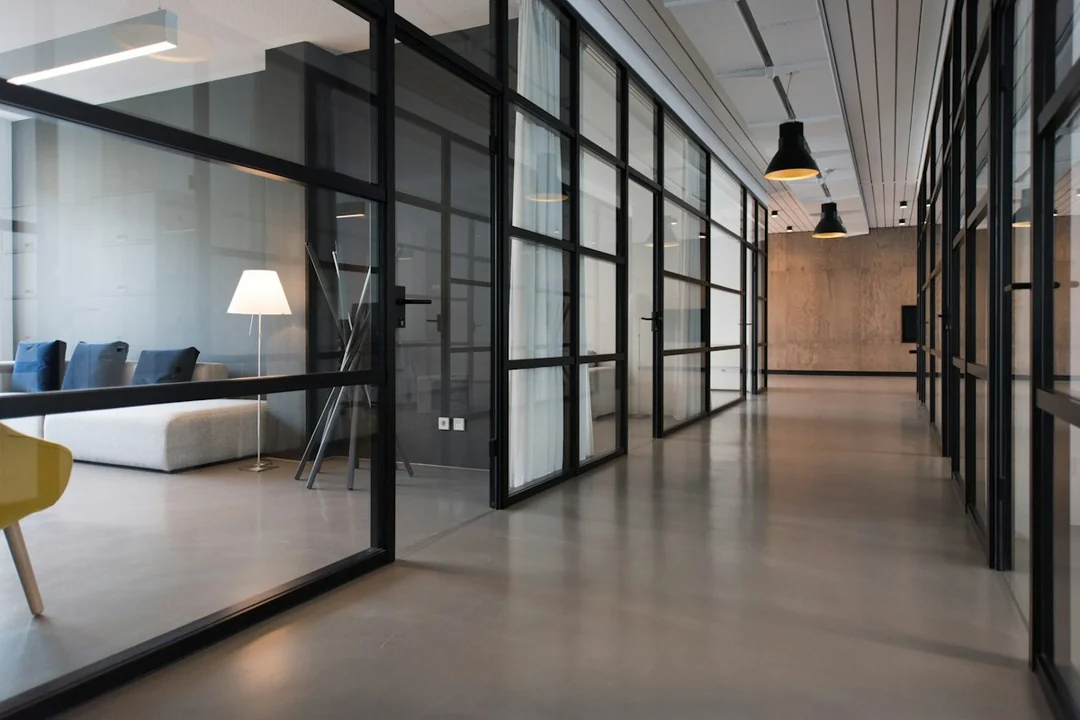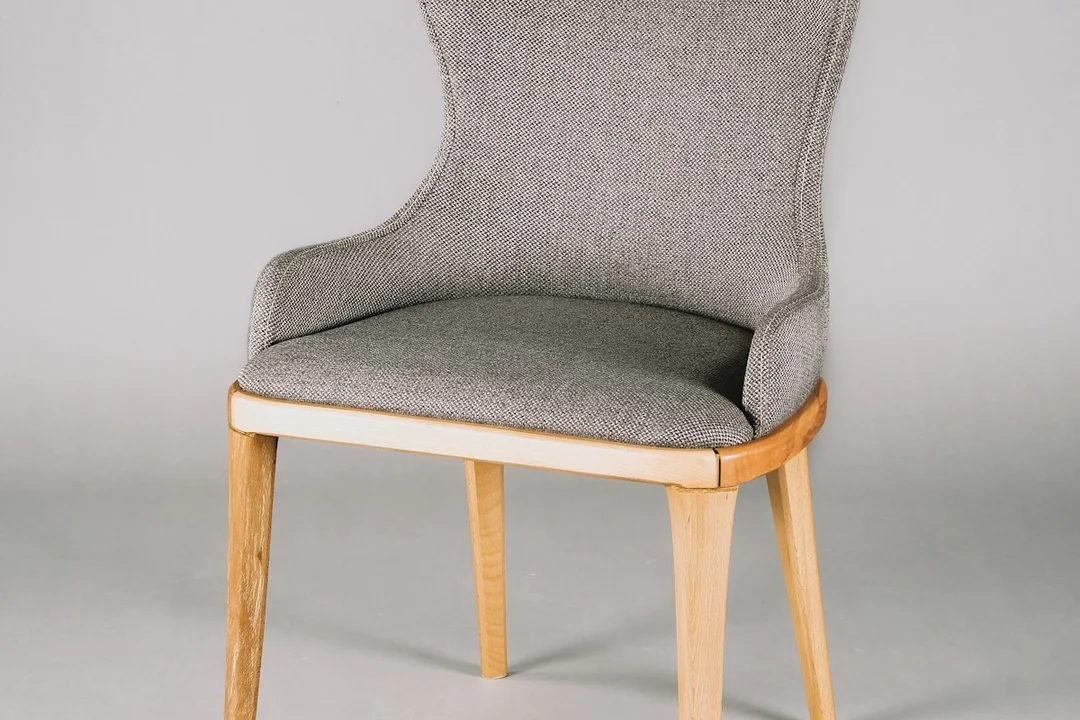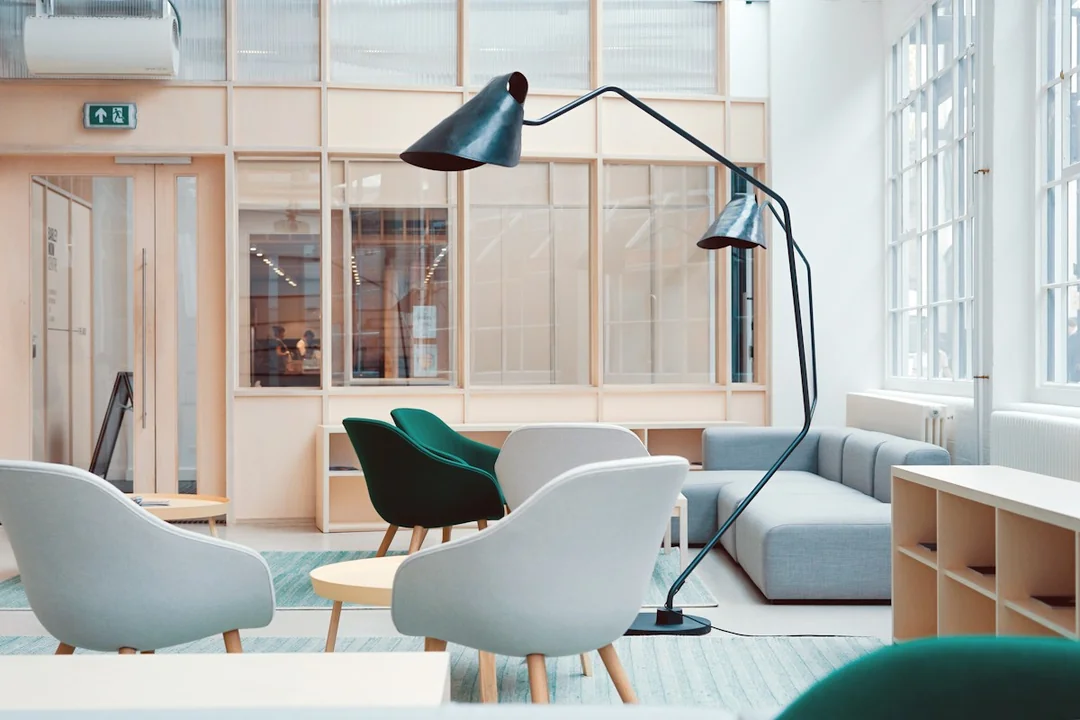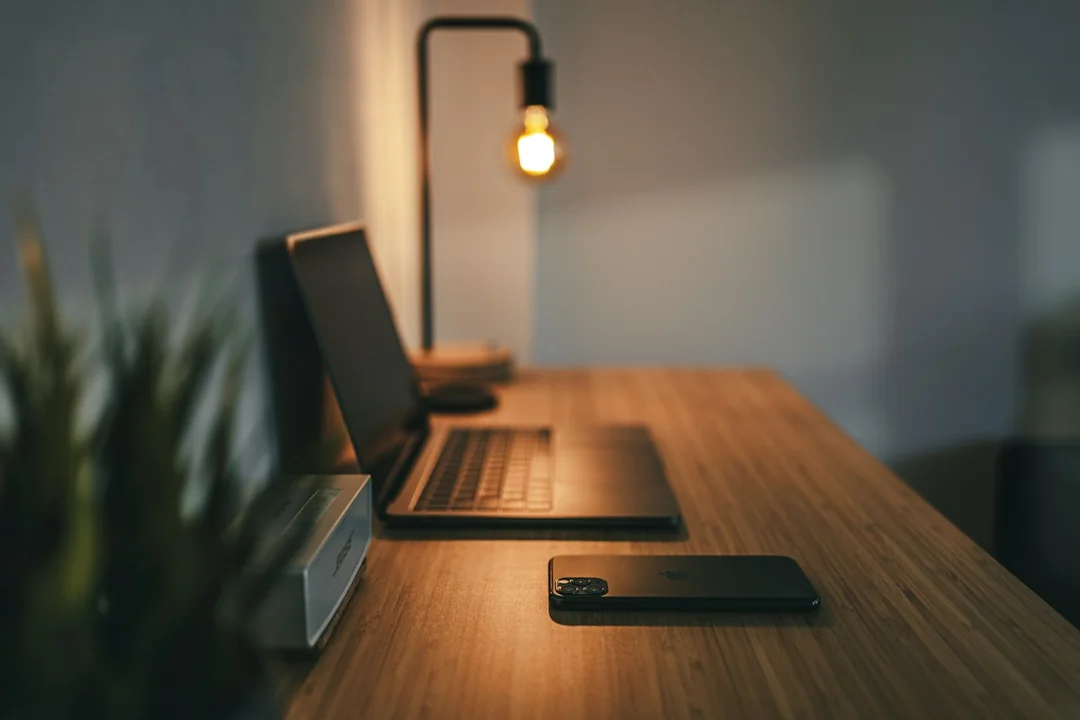
Map a working day before choosing the room’s quietest corner
Compare calls, focused work, deliveries and household activity across the day so a home-office location fits the work rather than one quiet moment.
Read guideCompare a room with the working day it must support. Check calls, household activity, movement, storage, power and connection routes, then trial the location before committing to furniture or permanent changes.
Compare calls, focused work, deliveries and household activity across the day so a home-office location fits the work rather than one quiet moment.
Read guideCheck approach, rolling, storage and exit space before placing a desk, because a surface that fits against a wall may still leave an unusable working area.
Read guideInspect the real call frame, backlighting and household privacy when positioning a home-office desk, rather than relying on a virtual background to solve every issue.
Read guideCreate boundaries for a desk in a sleeping area using storage, lighting and work shutdown habits, without assuming that a separate room is available.
Read guidePrepare a repeatable setup and pack-away method for shared tables, including input devices, power, documents and a secure place for work material.
Read guideEvaluate heat from sunlight and equipment, airflow and noise together, rather than choosing a small room that only feels comfortable before the workday begins.
Read guideSeparate daily materials, occasional references and archived items before selecting home-office storage, so the desk does not become the default home for every object.
Read guideCheck outlet access, cable paths and actual connectivity at candidate locations, because a good-looking corner may depend on an impractical connection arrangement.
Read guideUse a short realistic trial to reveal light, sound, access and connection limits before mounting shelves, buying fitted furniture or changing a room permanently.
Read guide